

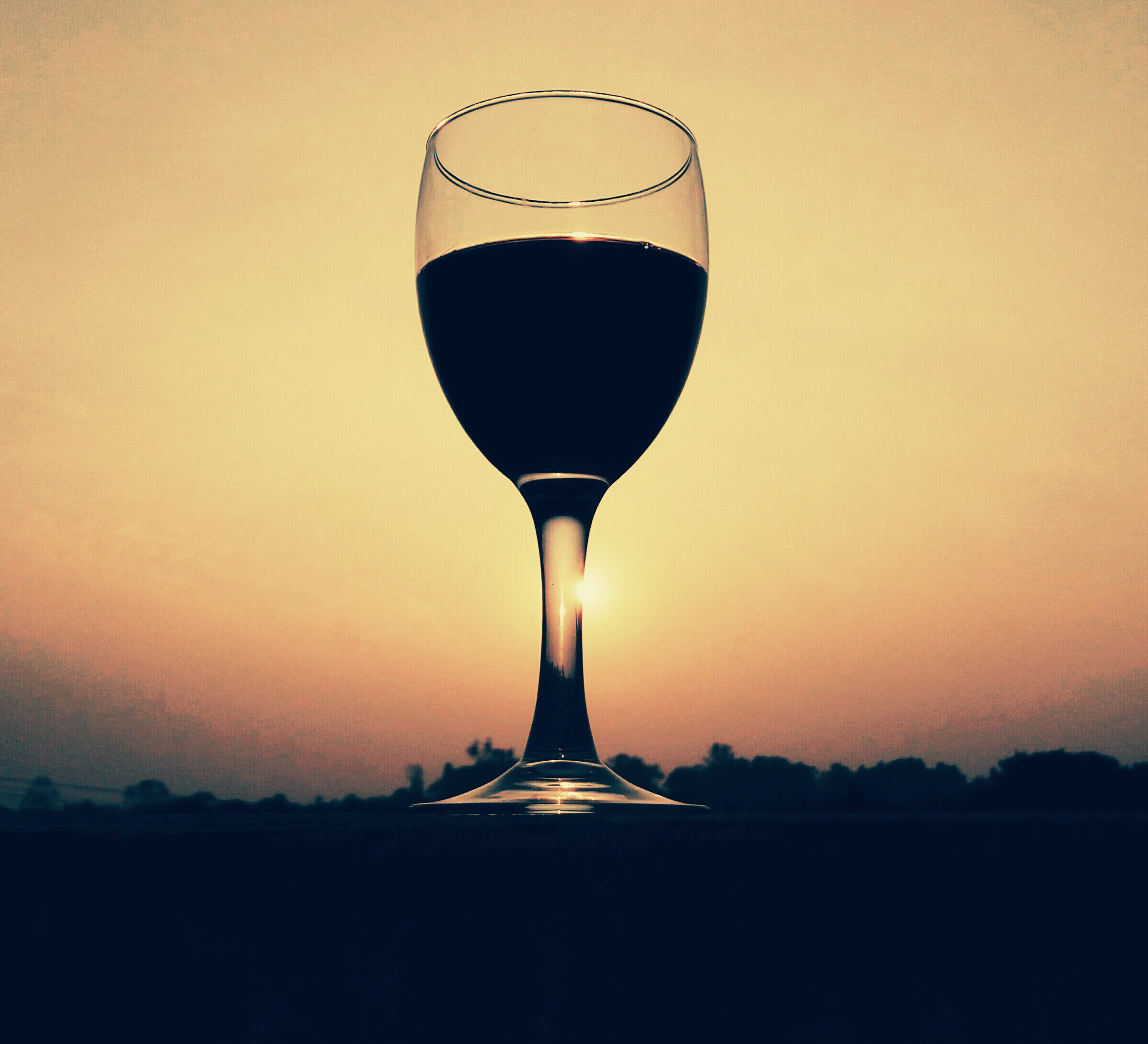
Wine, often associated with elegance and sophistication, is the result of a meticulous process that requires care, precision, and a deep understanding of the art of winemaking. From the cultivation of grapes to the aging process, every step contributes to the unique flavors and aromas that wine enthusiasts appreciate. In this article, we will explore the complexities of the wine making process and highlight the significance of care and precision in producing exceptional wines.
The Vineyard: The Foundation of Quality
The journey of crafting a remarkable wine begins in the vineyard. Careful selection of suitable grape varieties, proper soil management, and diligent vineyard maintenance are essential for producing high-quality grapes. The winemaker must consider various factors such as climate, sunlight exposure, and drainage to ensure the grapes reach their optimal ripeness.
During the growing season, the winemaker closely monitors the vineyard, paying attention to factors like irrigation, pest control, and canopy management. Pruning the vines at the right time and in the right manner is crucial for achieving the desired grape quality. This meticulous care in the vineyard sets the stage for a successful wine making process.
Harvesting: Timing is Everything
Once the grapes have reached their peak ripeness, the timing of the harvest becomes critical. Experienced winemakers know that picking the grapes at the perfect moment is essential for capturing the desired flavors and aromas. Harvesting too early can result in underdeveloped flavors, while harvesting too late can lead to overripe grapes with excessive sugar levels.
During the harvest, the grapes are carefully hand-picked or machine-harvested, depending on the winery’s preferences. Hand-picking allows for a selective harvest, ensuring only the best grapes are chosen. This labor-intensive method requires skilled workers who can identify and remove any damaged or unripe grapes.
Fermentation: Transforming Grapes into Wine
After the grapes are harvested, they undergo the fermentation process, where the sugars in the grapes are converted into alcohol. Careful attention to detail during fermentation is crucial in determining the wine’s characteristics. The winemaker must control factors such as temperature, yeast selection, and the duration of fermentation to achieve the desired flavor profile.
Red wines typically undergo a process called maceration, where the grape skins are left in contact with the juice to extract color, tannins, and flavor compounds. White wines, on the other hand, are often fermented without the grape skins to maintain their lighter and more delicate characteristics.
Aging and Maturation: The Art of Patience
Once the fermentation process is complete, the wine may undergo aging and maturation. This step allows the wine to develop complexity and depth of flavor over time. The choice of aging vessels, such as oak barrels or stainless steel tanks, can greatly influence the wine’s taste and aroma.
During the aging process, winemakers carefully monitor the wine, periodically tasting and analyzing its progress. They may make adjustments, such as blending different batches or transferring the wine to different vessels, to achieve the desired flavor profile. This patient and attentive approach to aging ensures that the wine reaches its full potential.
Bottling: Preserving the Craftsmanship
When the winemaker determines that the wine has reached its peak, it is time for bottling. The wine is carefully filtered and transferred into bottles, ensuring that it remains free from any impurities. The choice of bottle and closure, such as cork or screw cap, can also impact the wine’s aging potential and overall presentation.
Before the wine is released to the market, it may undergo further aging in the bottle. This period allows the wine to harmonize and integrate its flavors, resulting in a more refined and enjoyable drinking experience for the consumer.
In Conclusion
From the vineyard to the bottle, every step in the wine making process requires care and precision. The art of winemaking demands a deep understanding of the grapes, attention to detail, and a commitment to quality. Through careful cultivation, skillful fermentation, and patient aging, winemakers create exceptional wines that captivate the senses and delight wine enthusiasts around the world.


